Turn Around Time: 1-2 Days

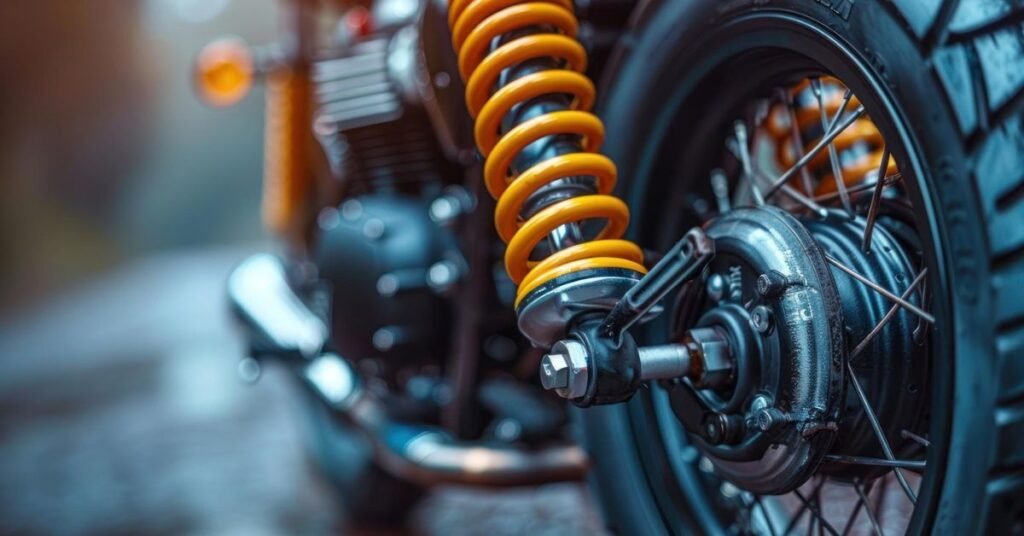
Your street bike suspension does much more than make the ride feel smooth. It plays a big role in safety, control, comfort, and confidence. A well-maintained suspension helps your tires stay connected to the road, keeps the bike stable while braking, and improves handling when turning. If your suspension is not working correctly, even a powerful motorcycle can feel uncomfortable and hard to control.
Many riders spend time caring for the engine, chain, tires, and brakes, but forget about suspension maintenance. This is a mistake because suspension parts work every second you ride. They absorb bumps, support the weight of the bike, and react to changing road conditions. Over time, these parts wear out and need attention.
This guide explains how to maintain your street bike suspension in a simple way so you can enjoy better performance and a safer ride.
Your motorcycle suspension usually has two main parts. The front uses forks, and the rear uses a shock absorber. Inside these parts are springs and damping systems. The springs absorb impact from bumps and rough roads. The damping system controls how fast the suspension moves up and down.
Without springs, every bump would feel severe. Without damping, the bike would bounce too much after hitting bumps. These two systems work together to keep the ride balanced and controlled.
When suspension is healthy, your bike feels planted and smooth. When it is worn or poorly adjusted, the bike may dive under braking, bounce after bumps, or feel harsh on normal roads.
Good suspension maintenance improves both safety and riding enjoyment. It helps the tires grip the road better during acceleration, braking, and cornering. This means shorter stopping distances and more control in turns.
It also improves comfort. A bike with worn suspension can make long rides tiring because every bump transfers more shock to your body. With proper maintenance, the suspension absorbs road imperfections and reduces rider fatigue.
Another benefit is saving money. Small problems like dirty fork seals or low fluid performance can become expensive repairs if ignored for too long.
The front forks are one of the busiest parts of the suspension system. They react to bumps, braking force, and steering movement. Because they work so hard, they should be checked regularly.
Start by looking at the fork tubes. They should be clean, smooth, and free from scratches. If dirt builds up on the tubes, it can damage the seals over time. Wipe them with a soft cloth after rides, especially if you ride in dusty or wet conditions.
Also look for oil around the seals. If you see wet marks or oil running down the fork leg, the seals may be leaking. Leaking fork seals reduce damping performance and should be repaired quickly.
The rear shock controls comfort and traction at the back of the bike. A weak or worn rear shock can make the bike feel unstable, especially on rough roads or during fast cornering.
Check the rear shock for oil leaks, rust, loose hardware, or unusual movement. If the rear of the bike feels too soft, bounces too much, or bottoms out on bumps, the shock may need service.
Many riders ignore the rear shock because it is less visible than front forks, but it is just as important for balance and control.
Dirt and grime are common enemies of suspension parts. Dust can damage seals, and road salt or moisture can lead to rust. Keeping the suspension clean is one of the easiest ways to increase its life.
Wash the bike regularly and gently clean around forks, springs, and linkage parts. Avoid using high-pressure water directly on seals or bearings because it can push dirt inside or remove grease.
A clean suspension system is easier to inspect and less likely to develop hidden problems.
Sag is the amount your suspension compresses under the bike’s weight and your weight when sitting on it. This setting is important because it affects balance, steering, and comfort.
If there is too much sag, the bike may sit too low and feel slow when turning. If there is too little sag, the ride may feel stiff and the tires may not grip well on uneven roads.
Correct sag depends on your weight, luggage, and whether you ride with a passenger. Setting sag properly can make a big improvement without replacing any parts.
If you are unsure how to measure it, a suspension specialist such as RMR Suspensions can help set your bike correctly.
Preload changes the starting tension on the spring. It does not make the spring harder, but it changes ride height and how the bike handles load.
For example, if you ride with luggage or a passenger, adding preload can keep the bike balanced. If you ride solo and the bike feels harsh, reducing preload may help.
Make small changes one step at a time, then test ride the bike. Large changes all at once can make it hard to understand what improved or got worse.
Fork oil is a key part of front suspension damping. Over time, it becomes dirty and loses its ability to control movement properly. Old fork oil can make the front end feel soft, sticky, or unpredictable.
Changing fork oil at recommended intervals helps restore smooth movement and better control. Riders who use rough roads often or ride many kilometers may need more frequent service.
Fresh oil can make an older bike feel much better without expensive upgrades.
Some motorcycles use rear suspension linkage systems with pivot points and bearings. These moving parts need lubrication to work smoothly.
If linkage parts dry out, they can wear faster, become noisy, or restrict suspension movement. During regular service, inspect and grease these parts if your bike design uses them.
This is one of those small jobs that can prevent larger repair costs later.
You do not always need tools to know your suspension needs attention. Often, the bike gives clear signs during a ride.
If the front dives too much when braking, damping may be weak. If the rear bounces after hitting bumps, the shock may be worn. If the ride feels harsh over small cracks in the road, settings may be too stiff or components may need service.
Uneven tire wear can also point to suspension issues because poor damping affects tire contact with the road.
When you notice these changes early, repairs are usually easier and cheaper.
Basic cleaning and checks can be done at home, but some jobs need special tools and experience. Seal replacement, internal fork service, shock rebuilds, and advanced tuning are best handled by professionals.
A suspension expert can also tune the bike for your riding style. Whether you commute daily, enjoy weekend canyon rides, or travel long distances, setup changes can improve comfort and confidence.
Many riders choose RMR Suspensions for expert service, upgrades, and custom tuning that matches real riding needs.
There is no single schedule for every rider because use and road conditions are different. However, regular checks should be part of normal bike care.
Look over forks and shock often. Clean the suspension after dirty rides. Review settings every few months. Change fork oil and perform deeper inspections based on mileage, age, and riding conditions.
If performance feels different, do not wait for a fixed date. Check it sooner.
Your street bike suspension is one of the most valuable systems on your motorcycle. It affects comfort, safety, grip, and overall riding performance. Taking care of it does not have to be difficult. Regular cleaning, visual checks, correct sag, and timely service go a long way.
When deeper maintenance or custom setup is needed, experienced specialists like RMR Suspensions can help your bike perform at its best. A properly maintained suspension makes every ride smoother, safer, and more enjoyable.