Turn Around Time: 1-2 Days

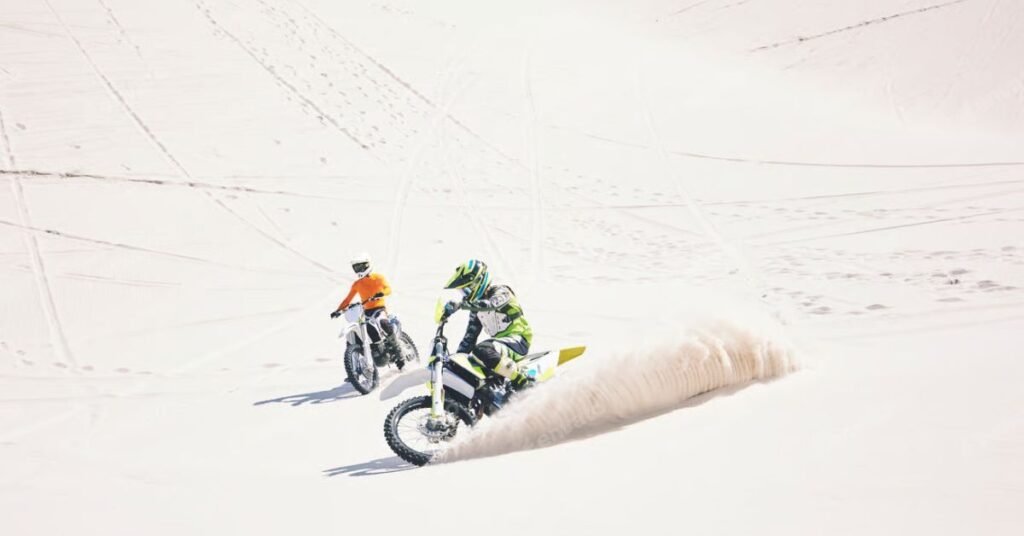
Riding a snow bike is very different from riding a dirt bike on normal trails. Snow changes how the bike moves, how it grips the ground, and how the suspension reacts under load. A setup that feels fine in summer can feel too soft, too harsh, or unstable when you move into deep snow and cold weather. That is why suspension setup matters so much. A good setup helps the bike stay balanced, gives better control, reduces rider fatigue, and makes the whole ride safer and more enjoyable.
This guide explains how snow bike suspension works, what changes you should check before riding, and how to tune your setup step by step. The goal is not to chase a perfect race setup on day one. The goal is to understand how your bike behaves in snow and make smart changes that improve comfort, traction, and confidence.
Snow creates a softer and less predictable riding surface than dirt. The front ski and rear track do not react the same way as wheels. The rear track adds more weight and changes the balance of the bike. The front end may feel lighter in some situations, while the rear can squat more under power. Because of this, the suspension has to do more than just absorb bumps. It also has to keep the bike stable while the track pushes through soft or packed snow.
Cold weather also affects suspension performance. Suspension oil can feel thicker in low temperatures, and that may make the suspension feel firmer during the first part of the ride. Rubber parts and seals may also react differently in the cold. This is why riders often notice that the bike feels stiffer at the start and becomes more active after some riding time.
Before changing clickers or springs, make sure the basic setup is correct. Suspension tuning only works well when the bike is in good condition. Check fork seals, shock condition, linkage bearings, and all mounting points. If parts are worn out, tuning will not fix the real problem.
You should also confirm that the snow bike conversion kit is installed correctly and that the bike is balanced. A poor installation can cause handling problems that feel like suspension issues. Tire pressure is not part of the equation anymore in the same way as dirt riding, so suspension becomes even more important for ride feel and control.
If your bike is used for snow riding often, it is smart to service the suspension before the season starts. Fresh oil and proper inspection can make a big difference. Many riders in Canada also choose to get their setup checked by professionals when they want more confidence in cold-weather performance.
Sag is one of the most important parts of suspension setup. It tells you how much the suspension settles under the weight of the bike and rider. If sag is off, the bike may sit too low or too high, and that changes steering, traction, and stability.
For a snow bike, rider sag is especially important because the rear track changes weight transfer. If the rear sits too low, the bike can feel lazy in turns and push the front end. If the rear sits too high, the bike may feel nervous and less planted. The right sag helps the chassis stay balanced and keeps the ski and track working together.
You should measure sag with all your riding gear on because winter gear can be heavier than your warm-weather setup. If you usually ride with tools, fuel, or extra equipment, include that weight too. Small details matter when you want a balanced feel on snow.
The front fork controls much of the steering feel and front-end confidence. On a snow bike, the fork works with the ski, so it is not only dealing with impacts. It also helps the bike track straight and respond smoothly when you shift your body weight.
If the fork feels too stiff, the front end may ride high and feel nervous on uneven snow. The ski may also deflect more than expected. If the fork is too soft, the front may dive too much or feel vague when you try to place the bike accurately. A balanced fork setup gives enough support without making the front harsh.
Compression damping affects how quickly the fork compresses when it hits bumps or takes weight. Rebound damping controls how quickly it returns. If the rebound is too fast, the front may feel busy and unsettled. If it is too slow, the fork may pack down and feel dead after repeated hits. In snow, a fork that moves freely but stays controlled usually works best.
The rear shock plays a major role in traction and stability because the track is constantly driving the bike forward. If the rear shock is too soft, the back of the bike may squat too much under power. That can make the steering feel light and reduce control in some snow conditions. If it is too stiff, the rear may not hook up well and the ride can feel harsh.
A good rear setup helps the track stay connected to the surface without overloading the front. The rear should feel planted, but not so low that the bike becomes hard to steer. Rebound on the rear shock is very important because it affects how the bike recovers after bumps, holes, and weight shifts. Too much rebound damping can make the rear feel stuck. Too little can make it feel loose and springy.
When tuning the rear, make one change at a time and test the bike in the same type of snow if possible. Deep powder, packed trail, and mixed snow all create different feedback.
Cold weather can make a bike feel different even when nothing has been adjusted. Suspension oil may move slower at first, so the bike can feel firm during the warm-up period. This is normal to a point, but if the suspension stays harsh, it may need tuning or service.
Another issue is that snow conditions can change quickly during the day. Morning snow may be firm, while afternoon snow may become softer and more broken up. A setup that feels good early in the day may feel less ideal later. This is why many experienced riders tune for overall balance instead of chasing a perfect feel for one exact moment.
It is also smart to let the bike warm up properly before pushing hard. Ride for a short time, feel how the bike behaves, and then decide if it needs adjustment.
A snow bike usually tells you when the suspension is not happy. If the front wanders too much, the fork may be too soft, too stiff, or out of balance with the rear. If the rear squats hard on acceleration, the shock may need more support. If the bike feels harsh over small chop, damping may be too firm. If it bounces or feels unsettled after hits, rebound may need attention.
Another common problem is rider fatigue. If your arms and legs get tired too fast, the suspension may not be working with the terrain. A good setup should reduce the effort needed to stay in control. It should not fight the rider on every section of the trail or every change in snow texture.
The best way to tune a snow bike is slowly and carefully. First, set sag correctly. Then ride the bike and pay attention to one problem at a time. If the issue is at the front, adjust the fork first. If it is at the rear, work on the shock. Avoid changing many things at once because that makes it hard to understand what actually helped.
Start with small clicker changes. One or two clicks can be enough to feel a difference. Ride the same area again and compare the result. Write your settings down so you can go back if needed. This makes the tuning process much easier and prevents confusion later.
If you have changed clickers a lot and the bike still does not feel right, the issue may be spring rate or internal valving. That is when professional support becomes valuable. RMR Suspensions can help riders understand whether the setup needs simple adjustment or a more complete suspension solution for snow use.
No two riders need exactly the same setup. Your body weight, gear, speed, riding position, and terrain all affect what feels right. A rider who prefers deep snow and playful riding may want a different setup than someone who rides long packed trails at a steady pace. Heavier riders may need more spring support, while lighter riders may need a softer feel to keep the suspension active.
This is why copied settings from another rider do not always work. They can be a good starting point, but your final tuning should match your own riding needs. Suspension is personal, and snow riding makes that even more clear.
Snow bike suspension setup is not only about comfort. It is about control, balance, traction, and confidence in winter riding conditions. When the suspension works well, the bike feels easier to manage, more predictable, and less tiring to ride. That helps you enjoy longer rides and handle changing snow with more confidence.
Take time to understand your sag, fork behavior, and rear shock response. Make changes slowly and test them properly. Good tuning is usually the result of patience, not guesswork. If you want the best performance from your setup, reliable support from experienced suspension specialists like RMR Suspensions can make the process much easier. For riders across Canada, a well-tuned suspension can turn a difficult snow bike ride into a smooth and controlled one.