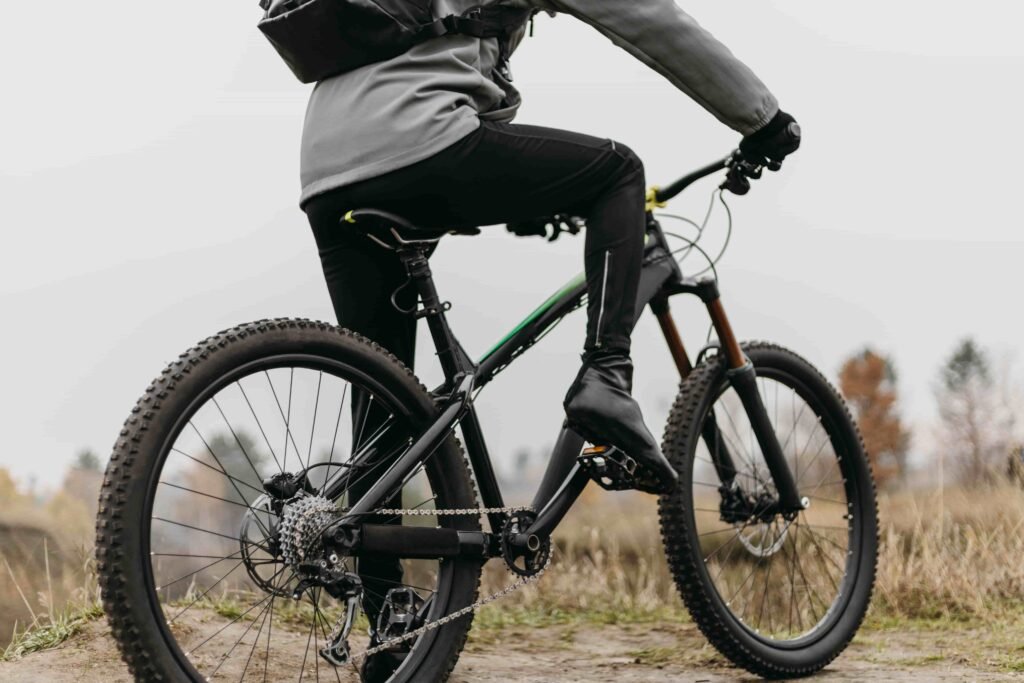
Mountain biking is all about control, comfort and confidence on rough terrain. Your suspension plays a big role in all three. When it works well, you can ride smoothly over rocks, roots, and uneven trails. When it does not, every bump feels harder and your control drops.
Many riders face suspension issues without fully understanding what is going wrong. Some problems are small and easy to fix. Others need proper adjustment or maintenance. The good part is that most suspension issues can be solved once you know what to look for.
Let’s go through the most common mountain bike suspension problems and how you can fix them.
One of the most common issues riders notice is that their suspension feels too soft. The bike sinks too much when you sit on it or when you ride over small bumps. This can make climbing harder and reduce control on technical trails.
This usually happens when the air pressure is too low or the spring is not set correctly for your weight. Riders sometimes forget that suspension needs to be adjusted based on body weight and riding style.
To fix this, check your suspension sag. Sag is how much the suspension compresses when you sit on the bike. Most mountain bikes should have around 25 to 30 percent sag. If it is more than that, increase the air pressure slightly. Make small adjustments and test the ride again.
If you are unsure about the correct setup, professional services like RMR Suspensions can help fine tune your bike based on your riding needs.
The opposite problem is when the suspension feels too stiff. You feel every bump on the trail, and the bike does not absorb shocks well. This can make long rides uncomfortable and tiring.
This usually means the air pressure is too high or the suspension settings are too tight. Sometimes riders increase pressure to avoid bottoming out, but this creates a harsh ride.
Start by reducing the air pressure slowly and test how the bike feels. Also check the rebound and compression settings. If compression is too high, the suspension will not move freely.
A well balanced setup allows the suspension to absorb impacts without feeling too loose or too stiff.
Bottoming out happens when your suspension fully compresses during a ride. You may feel a strong impact when landing from a jump or hitting a big obstacle.
This is a sign that your suspension is not supporting your riding style. It could be due to low air pressure or aggressive riding on a setup meant for light trails.
To fix this, increase the air pressure slightly or adjust the compression settings. If your fork or shock has volume spacers, adding one can also help prevent bottoming out.
Riders who often face this issue may benefit from getting their suspension tuned professionally. Services like RMR Suspensions can adjust internal settings to match more aggressive riding conditions.
Rebound controls how fast your suspension returns after being compressed. If rebound is too fast, the bike can feel unstable. It may bounce back quickly and throw off your balance.
If rebound is too slow, the suspension stays compressed longer than it should. This makes the bike feel stuck and reduces traction on rough terrain.
You can adjust rebound using the dial on your fork or rear shock. Start with a middle setting and test your ride. If the bike feels bouncy, slow it down slightly. If it feels sluggish, speed it up a bit.
Finding the right rebound setting improves both comfort and control.
Sometimes riders notice that their suspension does not move smoothly. It may feel sticky or slow to respond to small bumps. This reduces performance and makes the ride less comfortable.
This issue is often caused by dirt, lack of lubrication, or worn seals. Mountain biking exposes your suspension to mud, dust, and water, which can affect its performance over time.
Regular cleaning and basic maintenance can solve this problem. Wipe down the fork and shock after rides and keep them clean. If the issue continues, a full service may be needed.
Professional maintenance from experts like RMR Suspensions can restore smooth performance and extend the life of your suspension.
Unusual sounds like clicking or knocking can be a warning sign. While some sounds are normal, repeated or loud noises should not be ignored.
These sounds can come from loose parts, worn bushings, or internal damage. Riding with such issues can lead to bigger problems over time.
Start by checking all bolts and mounts. Make sure everything is tight and secure. If the noise continues, it is better to have the suspension checked by a professional.
Ignoring small noises can turn into costly repairs later.
Some riders feel that their suspension works well on one type of terrain but struggles on another. For example, it may feel fine on smooth trails but unstable on rocky paths.
This often happens because the setup is not tuned for your riding conditions. Mountain biking includes different terrains, and your suspension should match your most common riding style.
Adjust compression and rebound based on where you ride most often. If you ride mixed terrain, aim for a balanced setup rather than an extreme one.
Fine tuning takes time, but it makes a big difference in performance.
One of the biggest reasons for suspension issues is lack of maintenance. Many riders focus on cleaning the bike frame and chain but forget about suspension care.
Over time, oil inside the suspension can break down. Seals can wear out. Dirt can build up inside moving parts. All of this reduces performance.
Basic maintenance should be done regularly. This includes cleaning, checking pressure, and inspecting for wear. A full suspension service should be done after a certain number of riding hours.
Keeping your suspension in good condition ensures better performance and safety.
Mountain bike suspension is not something you set once and forget. It needs attention, adjustment, and care. Small changes can improve your ride more than you expect.
Understanding common suspension issues helps you fix problems early and avoid bigger damage. Whether it is adjusting air pressure, setting rebound correctly, or keeping parts clean, every step matters.
For riders who want the best performance, professional tuning can make a big difference. Experts like RMR Suspensions understand how to match suspension settings with riding style and terrain.
In the end, a well set suspension gives you better control, more comfort, and greater confidence on every trail.